EN
EN SI
SI


Your cart is empty!
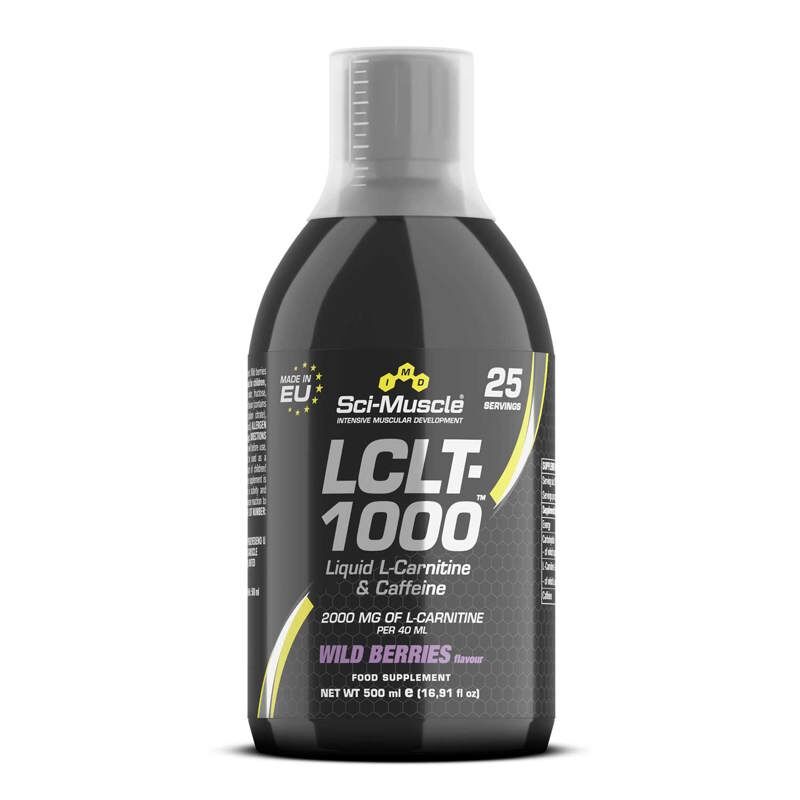
L-carnitine is a biologically active substance naturally present in the body. It is a safe and effective compound that plays a crucial role in fat breakdown and energy production in the human body. Its primary role is to transport fatty acids into the interior of mitochondria – cellular "power plants" where, among other things, the breakdown of fatty acids occurs. This is why the highest concentrations of carnitine are found in tissues that primarily use fatty acids as an energy source, such as the heart and skeletal muscles.
In a healthy organism under normal conditions (absence of mental and physical stress), the body produces sufficient carnitine in the liver and kidneys to meet its needs. Carnitine is then transported from the liver and kidneys to the aforementioned tissues that utilize fatty acids as an energy source. In addition to the amino acids lysine and methionine, the body also requires vitamin C, vitamin B6, niacin, and iron for L-carnitine production.
Natural sources of carnitine include red meat, especially beef, as well as wheat, avocados, asparagus, and peanuts. While these foods contain carnitine, significant amounts of this nutrient cannot be obtained through diet alone. Therefore, supplementary intake has been developed for those looking to burn fat and improve physical performance. According to numerous studies, L-carnitine influences muscle growth and development, increases energy, muscle fatigue resistance, and aids in post-exercise recovery.



Subscribe to our Newsletter and stay up-to-date with the latest promotions and news!
 18 years of experience